

When to Post on Instagram: 2026 Data-Backed Timing Guide
The best time to post on Instagram in 2026 is weekday midday (11 a.m. to 1 p.m.) or early evening (5 p.m. to 7 p.m.) in your audience’s dominant time zone, with Tuesday through Thursday outperforming weekends for nearly every industry. That’s your starting point, not your finish line. Your actual best time depends on your specific followers, and you’ll only know it for certain once you test it.
Here’s what to do right now:
- When to post: Target the 11 a.m. to 1 p.m. lunch window or the 5 p.m. to 7 p.m. commute window, based on aggregated 2026 research synthesizing engagement data across industries.
- Best days to prioritize: Tuesday, Wednesday, and Thursday consistently beat Monday, Friday, and weekends for feed and Reels engagement.
- Immediate next step: Run a one-week sanity check. Post identical content types at two different times this week, log the results, then move into the full 4 to 8 week testing protocol later in this guide using a tool like Photofy to schedule and track the comparison.
Key Takeaways
Testing your own account against the consensus windows, using medians across three to four weeks per time slot, is the only reliable way to find your true best posting time.
| Point | Details |
|---|---|
| Start with the consensus | Post weekday midday (11 a.m. to 1 p.m.) or early evening (5 p.m. to 7 p.m.), prioritizing Tuesday through Thursday. |
| Match timing to format | Feed posts need precise timing for early engagement; Reels tolerate more flexibility due to longer distribution windows. |
| Adjust for your industry | Retail, hospitality, B2B, and wellness audiences each shift the consensus windows based on their own work and browsing habits. |
| Test before you trust | Run candidate windows for four to eight weeks, comparing medians instead of single posts, to avoid viral-post distortion. |
| Use Photofy to operationalize testing | Photofy’s free content calendars and analytics guidance help you schedule, template, and track a real timing experiment. |
Table of Contents
- Instagram Posting Times: The Consensus Heatmap and Daily Windows
- Best Times to Post by Content Type: Reels, Feed, Stories, and Live
- How Industry Shifts the Consensus Windows
- Scheduling Across Time Zones and Multiple Locations
- Why Timing Actually Matters: Algorithm Behavior and User Patterns
- A Testing Protocol to Find Your Account’s Real Best Time
- Worst Times to Post and Mistakes That Skew Your Results
- Sample Weekly Posting Schedules You Can Adapt
- The Studies and Data Behind This Guidance, and Their Limits
- An Honest Take on Instagram Posting Times
- Put Your Testing Plan Into Action With Photofy
- Sources
Instagram Posting Times: The Consensus Heatmap and Daily Windows
Marketers don’t need a mystery here. Multiple aggregated studies converge on the same rough pattern: engagement clusters around two daily peaks, separated by a long midafternoon lull and an even longer overnight dead zone.
Think of the week as having a predictable shape. Mondays start slow as people dig out from weekend inboxes. Engagement builds through midweek, peaks Tuesday through Thursday, then tapers as Friday afternoon turns into weekend mode. That shape holds up across the 2026 aggregated guidance pulling from multiple engagement studies, though the exact hour shifts by a margin depending on the source.
Here’s how that consensus breaks down by day:
| Day | Best window | Secondary window |
|---|---|---|
| Monday | 11 a.m. to 1 p.m. | 7 p.m. to 8 p.m. |
| Tuesday | 10 a.m. to 12 p.m. | 5 p.m. to 7 p.m. |
| Wednesday | 11 a.m. to 1 p.m. | 5 p.m. to 7 p.m. |
| Thursday | 11 a.m. to 1 p.m. | 6 p.m. to 8 p.m. |
| Friday | 10 a.m. to 11 a.m. | 1 p.m. to 3 p.m. |
| Saturday | 10 a.m. to 12 p.m. | none reliable |
| Sunday | 11 a.m. to 1 p.m. | 6 p.m. to 7 p.m. |
Translate this into a scheduling habit, not a rulebook. If you post three times a week, put your strongest content in the Tuesday through Thursday midday slots and treat weekends as a lower-stakes testing ground. If you post daily, use the secondary windows to fill gaps rather than doubling up on the same peak hour.
One caveat matters more than the table itself: these are averages pulled across many accounts and industries. Your audience’s age, location, and habits can shift these windows by hours, not minutes. A B2B account with a mostly American, working professional audience will look nothing like a beauty brand with a global, younger following. Treat this heatmap as your hypothesis, then confirm it with the testing protocol later in this guide.
Best Times to Post by Content Type: Reels, Feed, Stories, and Live
Timing isn’t one-size-fits-all across Instagram’s formats. Each one has its own distribution behavior, and that changes how much timing precision actually matters.
- Reels: Post between 7 a.m. and 9 a.m. or 7 p.m. and 9 p.m., when people scroll during commutes or wind-down time. Reels get pushed by Instagram’s discovery algorithm well beyond the first few hours, so a mediocre posting time hurts less than it does for a feed post.
- Feed posts (photos and carousels): Stick to the 11 a.m. to 1 p.m. or 5 p.m. to 7 p.m. windows. Feed posts lean harder on immediate engagement in the first 30 to 60 minutes, so timing precision matters more here than almost anywhere else.
- Stories: Post multiple times a day, clustering around morning check-ins (8 a.m. to 9 a.m.), lunch (12 p.m.), and evening (7 p.m. to 9 p.m.). Stories disappear in 24 hours, so frequency beats perfect timing.
- Live streams: Schedule for evening hours, typically 6 p.m. to 8 p.m. on weekdays, when your audience has settled in and can watch in real time rather than catching a replay.
Distribution behavior explains the difference in strategy. Platform publishing patterns suggest Reels keep circulating well past their first hours online, while feed posts depend far more on that initial engagement spike to earn further reach. A Reel posted at a mediocre time can still find its audience over days. A feed post posted at a mediocre time often just sinks.
Pro Tip: Pair a Story with your Feed or Reel post within the same hour. Use the Story to tease or point directly at the new post. That small nudge captures your most engaged followers immediately, which gives the algorithm an early signal to push the content further.
How Industry Shifts the Consensus Windows
The heatmap above is a starting point, and for some industries it’s close to useless without adjustment. Audience work patterns dictate when people actually pick up their phones, and those patterns vary enormously by sector.
Retail and consumer goods brands often see a second, sharper peak between 8 p.m. and 10 p.m., when shoppers browse after dinner rather than during a lunch break. Hospitality and travel accounts do well posting slightly later, around 6 p.m. to 9 p.m., because their audience is dreaming about the next trip during evening downtime, not at their desk. Finance and B2B accounts should lean hard into the classic 11 a.m. to 1 p.m. and 5 p.m. window, since their audience is largely working professionals checking phones between meetings or on the commute home. Healthcare and wellness brands frequently see morning engagement spikes around 6 a.m. to 8 a.m., tied to workout and routine-setting habits. Media and entertainment accounts skew later, often peaking between 8 p.m. and 11 p.m. as audiences unwind. A salon or beauty business often finds strong engagement in the early evening, right around the time clients are booking appointments for the week ahead.
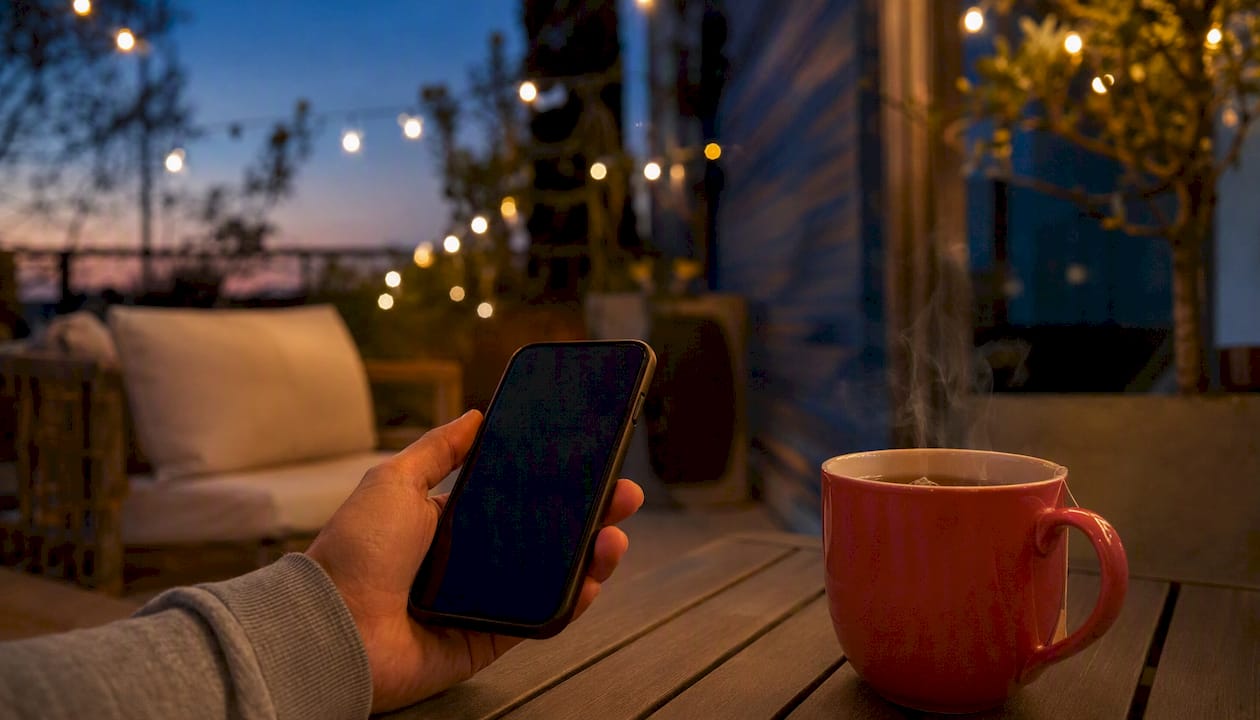
The demographic makeup behind these patterns is well documented. Instagram’s global user base skews toward younger age groups, and younger users tend to be active later into the evening, while older professional audiences cluster their activity earlier in the day and during work breaks. If your audience is mostly Gen Z, don’t be surprised if your true best window sits an hour or two later than the general consensus suggests.
Use this simple rule of thumb: follow the general consensus windows when you don’t yet have enough data of your own, but the moment your Instagram Insights show a consistent pattern that contradicts the consensus, trust your own data. Your account’s actual behavior always outranks an industry average.
Scheduling Across Time Zones and Multiple Locations
Franchises, distributed sales teams, and any brand with a national or global audience face a real problem: there is no single “best time” when your followers span four time zones. Here’s how to handle it without guessing.
- Identify your largest follower time zone first. Pull your audience location data from Instagram Insights and anchor your primary posting schedule to wherever the biggest cluster of followers lives.
- Stagger secondary posts for other major clusters. If you have significant followings in two or three regions, stagger Stories or repeat key Reels content to hit each region’s own peak window rather than posting once and hoping it travels.
- Post during time-zone overlap windows for your most important content. Early afternoon Eastern Time often overlaps reasonably well with both West Coast mornings and European evenings, making it a decent compromise slot for global brands.
- Batch content creation, but schedule for staggered publish times. Create a week’s worth of posts in one sitting, then assign different publish times to each based on which regional audience you’re targeting that day.
When choosing a scheduling tool to manage this, look for three specific capabilities: automatic time zone conversion so you’re not doing mental math across regions, repeat and recurring scheduling so you’re not manually re-entering the same weekly cadence, and analytics that tie individual post performance back to follower location. A platform built for social scheduling that handles all three saves hours every month compared to juggling spreadsheets and a native scheduler that only handles one time zone well.
Why Timing Actually Matters: Algorithm Behavior and User Patterns
Instagram doesn’t show posts in strict chronological order, and that’s exactly why timing still matters even though the platform isn’t a live feed anymore. The algorithm decides how far to push your content based largely on how people respond in the first hour or two after you publish.
- Feed ranking rewards early engagement velocity. A post that earns fast likes, comments, and saves in its first 60 minutes gets flagged as worth showing to more people; a post that trickles in engagement over six hours often gets buried before it ever gathers momentum.
- Reels distribution works differently. Instagram’s Reels algorithm surfaces content to non-followers over a longer window, which is part of why Reels tolerate imprecise timing better than feed posts do.
- User behavior creates the opportunity for that early velocity. Commute-time scrolling, lunch-break checking, and evening wind-down browsing are when the largest share of your audience is actually holding their phone and paying attention, which is exactly when early engagement is easiest to earn.
Roughly 61% of Instagram’s global user base falls under age 35, a demographic more likely to check the app in short, frequent bursts throughout the day rather than one long evening session. That behavior pattern is part of why the midday window performs so consistently well across so many accounts.
Instagram’s algorithm changes regularly, and a window that worked six months ago can quietly stop working without any obvious signal. Treat every posting schedule as temporary and plan to re-test on a recurring basis, not just once.
A Testing Protocol to Find Your Account’s Real Best Time
The consensus windows get you close. Your own data gets you right. Here’s a reproducible protocol you can run in four to eight weeks.
- Pick three to four candidate windows based on the consensus table and your industry adjustment, spacing them at least three hours apart so results are easy to distinguish.
- Schedule the same content type in each window, rotating weekly. Don’t compare a Reel posted at 9 a.m. against a feed photo posted at 6 p.m.; you’re testing time, not format, so hold format constant.
- Log every post’s metrics the same day it’s published: reach, impressions, engagement rate, saves, and shares, using Instagram Insights or a comparable analytics dashboard.
- Run each window at least three to four times before drawing conclusions. A single post at any given time can be skewed by a lucky share or an unrelated trending audio.
- Calculate the median, not the average, for each window. Medians resist distortion from one viral outlier in a way averages simply can’t.
- Compare medians across windows after week four, then confirm with a second round through week eight before locking in a schedule.
Here’s what a sample eight-week log might look like:
In that hypothetical log, the 6 p.m. window wins clearly and consistently, not just once. That consistency is what makes the conclusion trustworthy. Photofy’s approach to analytics specifically recommends this median-based, multi-week structure precisely because single-post conclusions get people chasing noise instead of a real signal.
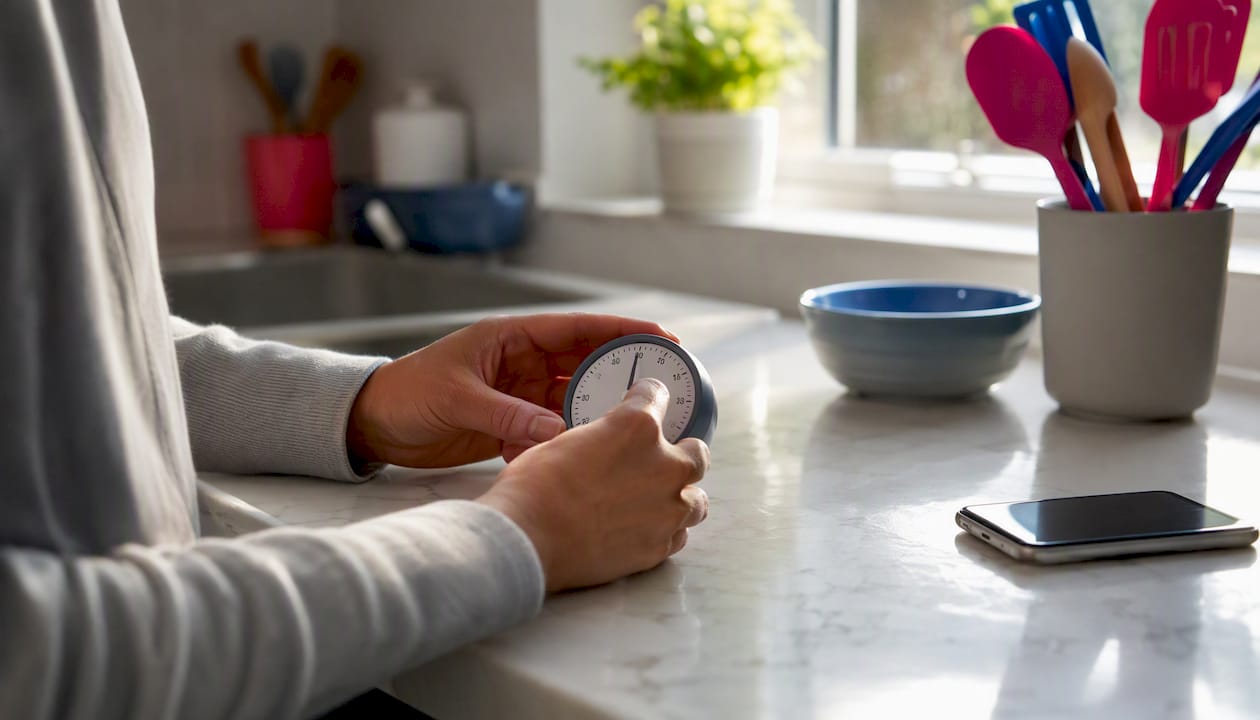
Pro Tip: Resist the urge to declare a winner after one strong post. A single viral moment can make a mediocre time slot look like your best one. Wait for the pattern to repeat across at least three separate posts before you trust it.
Worst Times to Post and Mistakes That Skew Your Results
Some windows are reliably weak, and posting there mostly wastes content that deserved better placement.
- Very early mornings, roughly 2 a.m. to 5 a.m., see minimal engagement outside of a handful of time-zone-shifted audiences, since most of your followers are asleep.
- Late Friday afternoon into Saturday morning tends to underperform for professional and B2B audiences whose attention has already shifted to the weekend.
- Immediately after major algorithm updates roll out is a poor time to run a clean test, since behavior can shift temporarily while the platform adjusts.
Beyond bad windows, a handful of mistakes quietly corrupt the data marketers use to make timing decisions. Drawing a conclusion from a single post is the most common one. So is comparing a Reel’s performance against a feed post’s performance and treating the difference as a timing signal, when it’s really a format signal. Ignoring time zone data and assuming your entire audience shares your local time is another frequent error, especially for brands that have grown a following well beyond their home market. And fixating on one metric, usually reach, while ignoring saves and shares, can lead you toward a time slot that generates views without generating the deeper engagement that actually builds a community.
Pro Tip: Watch for confirmation bias. If you already believe mornings work best, it’s easy to unconsciously favor morning posts with your best content, which then makes mornings look better in the data. Rotate your strongest content evenly across every test window to keep the comparison honest.
Sample Weekly Posting Schedules You Can Adapt
Three starting templates cover the most common marketing goals. Adjust the specific hours based on your own test results once you’ve run the protocol above.
- Growth-focused schedule (5 posts a week): Three Reels posted in the 7 a.m. to 9 a.m. or 7 p.m. to 9 p.m. windows, one feed carousel at midday Tuesday or Wednesday, and daily Stories. Prioritize Reels here because their extended distribution window gives new content the best shot at reaching non-followers.
- Engagement-focused schedule (4 posts a week): Two feed posts in the 11 a.m. to 1 p.m. window on Tuesday and Thursday, one Reel, and Stories posted three times daily to keep your existing audience engaged between feed posts. This mix favors depth of interaction over raw reach.
- Community-focused schedule (2 to 3 posts a week): One feed post, one Reel, and a weekly Live session or Q&A scheduled for 6 p.m. to 8 p.m. on a consistent weekday. Lower frequency here is intentional. Predictable, recurring cadence trains your audience to expect and show up for your content, which research on scheduling consistency associates with stronger repeat engagement over time.
Whichever template you start with, plug the actual winning windows from your testing protocol back into the schedule after week eight. The template is a placeholder until your data replaces it with certainty.
The Studies and Data Behind This Guidance, and Their Limits
This guidance rests on a few different types of sources, and it’s worth knowing what each one actually contributes.
- Aggregated industry guides like the 2026 Shopify analysis synthesize engagement patterns across large numbers of business accounts, giving a reasonable starting consensus for the general population of Instagram users.
- Demographic data from Statista’s age breakdown of Instagram users explains why certain windows perform differently for younger versus older audience segments.
The honest limitation here is that aggregated guides average across enormous, diverse populations of accounts, which smooths out the real variation between industries, regions, and audience ages. Instagram’s algorithm also shifts periodically in ways that aren’t always publicly documented, so a consensus window validated eight months ago may already be drifting. That’s exactly why the testing protocol earlier in this guide matters more than any table on this page. Treat the consensus as your hypothesis and confirm it against your own account before building a permanent schedule around it.
An Honest Take on Instagram Posting Times
Most advice on posting times treats the consensus windows as gospel, and that’s the biggest mistake I see marketers make. The consensus numbers are a reasonable average across millions of accounts, but “average” is doing a lot of work in that sentence. Your account isn’t average. It has a specific audience with a specific set of habits, and the gap between the consensus window and your actual best window can be the difference between a post that performs and one that quietly underperforms for months while you assume you’re doing everything right.
What surprises people most when they finally run a real test is how often the winning window sits an hour or two off from what the guides predicted. A niche account with an older, more professional audience sometimes does better posting at 8 a.m. than at noon. A creator with a heavily international following might find their best window at an hour that looks bizarre on a US-centric chart. This isn’t a flaw in the consensus data. It’s just a reminder that the consensus was never meant to be your final answer.
The Photofy clients who get the most out of timing tests are the ones who treat scheduling as an experiment, not a one-time setup task. They pick a handful of candidate windows, use templates to keep content type consistent across the test, and let the calendar do the heavy lifting so they can focus on comparing results instead of manually posting at odd hours. One pattern worth stealing directly: pairing a scheduled Reel with a same-day Story that points back to it consistently outperforms posting the Reel alone, because it gives your most loyal followers an extra nudge right when the algorithm is deciding how far to push the content.
If you take one thing from this entire guide, take this: the consensus table gets you in the right neighborhood, but only your own data gets you to the right house.
Put Your Testing Plan Into Action With Photofy
Running the testing protocol above by hand, juggling a spreadsheet, a native scheduler, and a separate analytics dashboard, is exactly the kind of friction that makes most marketers give up after week two. Photofy brings scheduling, branded templates, and post-level analytics into one place, so comparing your candidate posting windows doesn’t require three different logins and a manual copy-paste job into a tracking sheet.
With Photofy’s content calendars, you can lay out your entire eight-week test in advance, keep content type consistent across each window the way the protocol requires, and pull consistent branded templates so your Reels and feed posts don’t introduce a design variable into a timing experiment. The analytics tools make pulling weekly reach, engagement rate, and saves straightforward, so you’re comparing real medians instead of guessing from memory. If you’re managing timing across a franchise network or multiple team members, Photofy’s white-labeling keeps every location’s posts consistent while you run the same test everywhere at once.
Start by downloading a free content calendar to map out your first testing month, then check the pricing page to find the plan that matches your team’s size before you build out the full schedule.
Sources
- Instagram: distribution of global users by age group
- Best Time To Post on Instagram in 2026: A Complete Guide